


Heat Pump vs. Central AC: Which Will Work Best for You
Choosing a new cooling system for your home can quickly become overwhelming. One neighbor says a heat pump is the only way to go. Another loves his new air conditioning unit. Add in skyrocketing energy costs, the risk of stifling summer heat and all the systems on the market, and it’s confusing at best.
Two popular cooling systems are a heat pump and an AC unit. Which is the smart choice? If you’re trying to decide between a heat pump vs. central AC, you don’t need to be an HVAC expert. It’s a matter of learning how each system works and their advantages and disadvantages. Then, you can decide which equipment would be the best cooling system for your home.
In this easy-to-understand guide, we’ll break down how heat pumps and AC systems work, their strengths, disadvantages and what that means for you. Even better, we’ll do it in everyday English without all the technical jargon, so you can make a well-informed, educated choice for your home.
What Is Central Air Conditioning?
A central AC unit extracts heat from your home by pushing warm air over cold evaporator coils filled with refrigerant, a liquid. It distributes the cooled air around your home through your air ducts. Then, the now-warm refrigerant inside the coils is sent to your outdoor unit, where it removes the heat. Unlike heat pumps, air conditioners only offer cooling. For heating, an AC must be connected to a furnace or another kind of heating system.
For many homeowners, central air conditioning is the well-known, traditional setup they are used to. It has been a fixture in homes for many years.
What Is a Heat Pump?
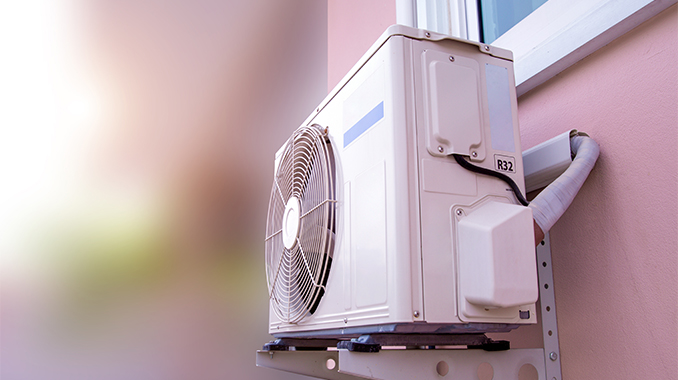
A heat pump is a lot like an AC that is also a heater. It also removes heat using refrigerant in pipes. In summer, it pushes air across coils and extracts heat. In winter, it takes heat from the outside air, uses pressure to make the air hotter and then distributes that heat inside your home. Just like an air conditioner, heat pumps typically utilize ductwork to distribute air.
Think of it like an AC unit that can work in reverse. One of the most important perks of a heat pump is that you can use it all year.
Heat Pump vs. Central AC: Key Differences
When looking at the difference between a heat pump and air conditioner, the largest is the ability to heat. While both systems keep you cool in hot weather, only a heat pump also offers heating. But there are other major differences in efficiency, costs and performance.
- Heating Function: As we explained, a heat pump provides both heating and cooling. Central AC only cools, so an AC requires a second system for heating. For homeowners who want an all-in-one system, heat pumps are a great option.
- Energy Efficiency: In terms of heat pump vs AC efficiency, heat pumps typically have the advantage due to their heating ability. A furnace or boiler produces heat, which takes more energy than relocating heat, like a heat pump. Central AC systems can still be extremely energy efficient, but that’s only for cooling. You must depend on a separate heating system—which is where heat pumps have the advantage.
- Starting Cost: When it comes to heat pump vs AC cost, heat pumps often require a larger initial investment because they handle both heating and cooling. AC units are usually lower in cost initially, especially if you are swapping out your old unit.
- Long-Term Operating Costs: Although heat pumps may require more of an investment for installation, their energy efficiency can really bring down your monthly utility bills. That monthly savings can really add up. Central AC paired with an outdated furnace typically is less energy efficient, especially during heating season.
- Winter Temperatures: Heat pumps work best in mild and moderate climates where the winters don’t get bitterly cold. In extremely cold climates, some heat pumps can have lower efficiency during freezing temperatures, although newer cold-climate models perform more efficiently than older units.
- Installation Complexity: If your home already has ductwork that is in good condition and a furnace, installing air conditioning can be more straightforward. Heat pump installation may call for electrical upgrades or additional adjustments depending on your home’s setup.
Pros and Cons of a Heat Pump
Still finding it difficult choosing? We’ll look at some heat pump vs. central air pros and cons to help you make a decision.
Pros:
- Warms and cools home: A heat pump keeps your home pleasant in winter and summer, offering cooling in summer and heating in colder months.
- Energy efficiency: Heat pumps require less energy because, when heating your home, they relocate heat instead of producing it like a traditional furnace.
- Lower long-term utility costs: Many homeowners enjoy lower utility bills with heat pumps over time because of their greater efficiency.
Cons:
- Potentially less efficient in extreme cold: Some heat pump models lose efficiency during very cold weather.
- Higher upfront cost: It typically costs more to install a heat pump than air conditioning.
Pros and Cons of Central AC
Central AC units are widely used for a reason. They offer dependable cooling and are trusted by many homeowners, but they can have some limitations.
Pros
- Strong cooling ability: Central AC units are trusted options during even the hottest weather.
- Initial investment: AC requires less investment initially than a heat pump, especially if you are replacing an existing air conditioner.
- Can handle hot temperatures: An air conditioner is powerful enough to keep your entire home cool in very hot weather.
Cons:
- Requires an additional heating system: When you install a central AC, you also must have a furnace or another heating source for cold weather.
- Costs more to operate in the long run: An air conditioner paired with a separate heating system tends to cost more money than heat pumps over the years.
The Bottom Line: Is a Heat Pump or Central AC Better for My Home?
Is a heat pump better than central air in your home? Maybe. Maybe not. Even though they’re more cost-effective to operate, heat pumps don’t take the place of AC units. Both have a role. The best system is the one that supports how you live and what matters to you.
Mild Weather? Heat Pump is a Good Choice
If you live in an area with warmer winters, a heat pump could be the ideal solution. For example, a homeowner who seldom sees bone-chilling weather can take advantage of efficient heating and cooling in one system with a heat pump. Often, heat pump installation delivers excellent year-round comfort while cutting monthly energy use.
Extremely Cold Weather? AC & Furnace a Top Choice
If you reside in a cold-weather climate with long, harsh winters, central AC and a furnace may make more sense. A furnace can produce stronger, more consistent heating when outdoor temperatures are extremely cold.
Most Energy Efficient? Heat Pump Comes Out on Top
If you’re looking for energy savings, heat pumps are often the right option. They are known for their ability to reduce utility bills, which can offset the higher purchase price. Think of it this way: Heat pumps cost more to buy, but they cost less to operate.
Lowest Initial Investment? AC is the Choice
If your priority is the lowest installation cost, central AC is likely the right choice. AC installation requires less upfront investment than installing a heat pump.
Energy Efficiency & Installation Cost Considerations
With the cost of power these days, energy efficiency is important. One of the simplest ways to compare energy efficient cooling options is the SEER rating. SEER is short for Seasonal Energy Efficiency Ratio, and it measures a system’s efficiency. The greater the SEER rating, the less energy the system requires, and the more efficient it is. Think of it like gas mileage in a car.
It’s important to weigh more expensive initial investment with long-term savings from a more energy efficient system. A less expensive, less energy-efficient system today may require more money to operate over the next 10 to 15 years.
Rebates and incentives may be provided for qualifying energy-efficient HVAC systems. These programs can deliver significant savings on installation costs. Ask a local HVAC specialist about rebates and incentives that may be provided in your area.
The Final Decision: Heat Pump vs. Central AC for Your Minneapolis Home
Choosing the right HVAC system is not just about buying the system with the most advanced technology or the one with the lowest price. The best option is what works best for your unique situation. The good news is, you don’t have to choose alone. Consulting with a trusted HVAC professional can help you reduce costly mistakes and be confident in your decision.
At HomeServe, we’re proud to help with your HVAC system comparison. Whether you need heat pump installation or want trusted guidance to help you decide between a heat pump vs. AC in Minneapolis, our team will help you find the ideal cooling system for your home.
We also deliver complete HVAC services, including heating repair, AC maintenance and system replacements designed for your home. No matter what comfort challenges you’re experiencing, we’ve got your back. Call 844-830-9125 today to talk to a Homeserve professional and learn more about our services.
Jump To...